Subscriptions: are you actually using what you pay for?
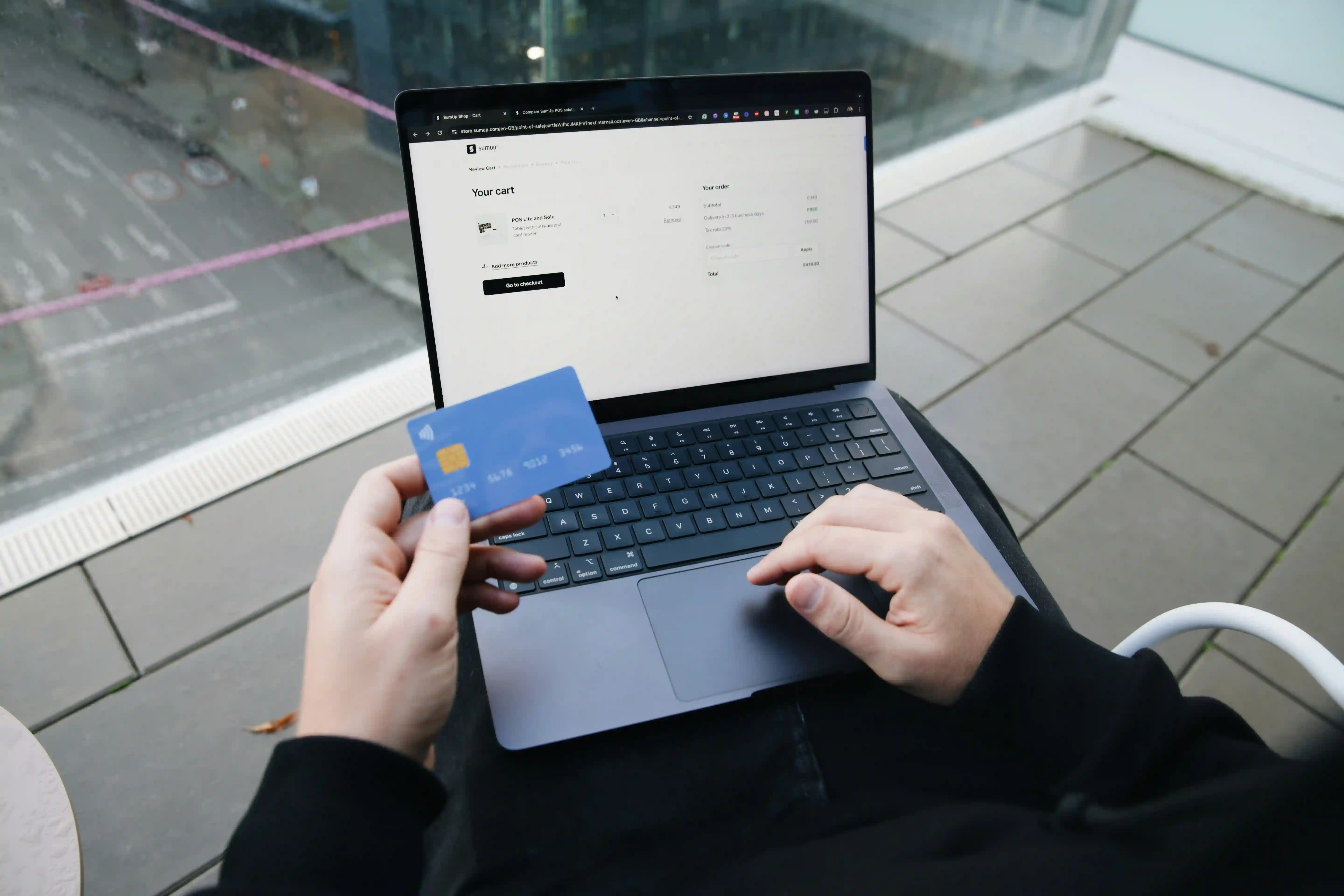
I don’t know about you, but I’m subscribed to more than five services… streaming platforms, music, and of course games. At the end of the year I’d rather not add up what I’ve spent on these sites, but have I actually gotten enough out of each one? Spoiler: no. In this piece I want to share my take; and maybe, in a sudden flash of honesty after writing it, cancel that subscription I’ve been paying for two months and barely used.
But not all subscriptions are the same
Before we get mad at “subscriptions” in the abstract, it’s worth separating three different things that often get mixed up, and that companies now charge for separately or in a bundle:
- Paying to play online on console (the toll like classic Xbox Live / PlayStation Plus).
- Paying for a single game that requires a monthly fee (the MMO model: World of Warcraft and the like).
- Paying for a catalog (Game Pass, EA Play, etc.): many titles on one bill.
The problem isn’t always the same… even if the bank charge looks a lot alike.
Since when have we paid to play?
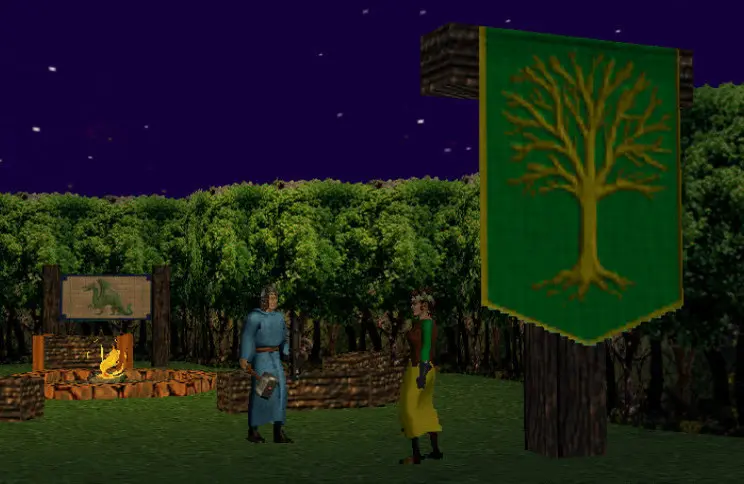
I looked into it, and it goes back further than it seems: as early as 1996, titles like Meridian 59 asked for a monthly subscription; then came Ultima Online, EverQuest, and the famous World of Warcraft.
But it wasn’t until 2002 that Microsoft popularized (or imposed) it at scale with Xbox Live. Someone decided you could charge for console online play, and the rest didn’t take long to pile on. I’m not saying servers have no cost… but I’m sure that cost was massively paid off from day one.
I remember when my good friend Miguel asked me, when we were kids, which console to buy. I told him an Xbox 360, of course (it was the one I had)… what I didn’t tell him was that you had to pay to play together. He still brings it up: if he’d known, he would’ve bought a PlayStation 3. What we didn’t know then is that Sony was about to jump on the bandwagon too. So yes: in the years that followed, the scramble began. “Product as a service” became normal, and dozens of companies went after their slice of the pie like hyenas. Today subscriptions aren’t the exception; they’re the landscape.
My stumble: Game Pass and Death Stranding
I recently finished Death Stranding (which I’d like to write about someday). The thing is, a few months ago I started paying for Game Pass with the idea of playing it. Guess what: I paid for two months and didn’t even open it. I barely had time to try a couple of games, and by the time I wanted to get into it, I’d already sunk about €30 into the subscription. How much does the game cost? I bought it later on sale for €12.
There’s the mental trick: I wasn’t paying for Death Stranding. I was paying for the idea that someday I’d play it.
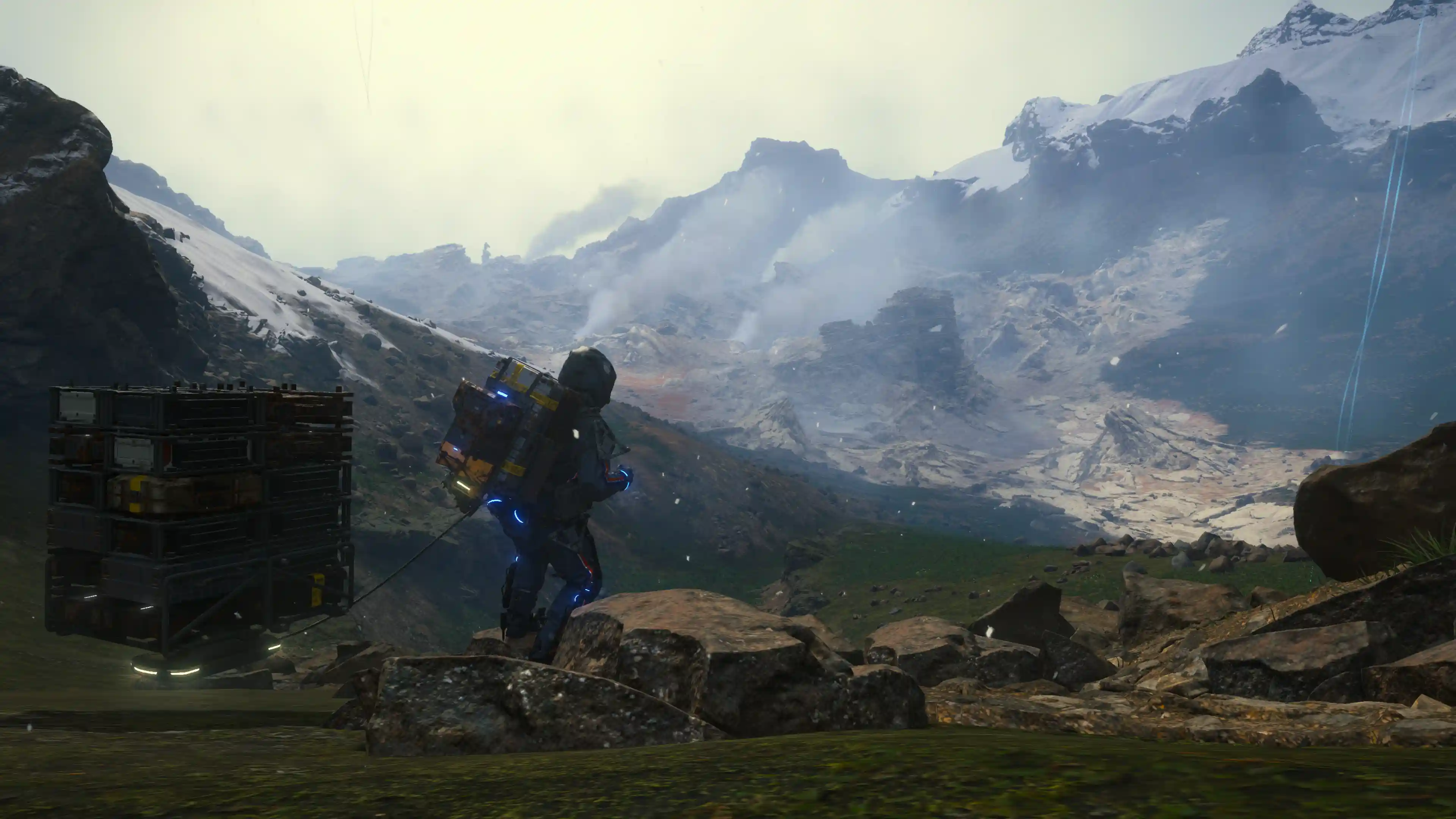
While I’m at it, here’s a screenshot I took while playing.
My critique: the online toll
Aside from that blunder of mine, part of my critique points elsewhere: underneath it all, a lot of console subscriptions hold hostage a feature that multibillion-dollar companies could easily cover… but won’t, because it’s the hook to trap players. I mean online play.
I’d go so far as to say several of these services would shrink a lot if they weren’t required for online play on consoles, though I can’t back that with data. That move feels a bit shady to me, especially because I end up thinking about all those parents paying the subscription so their kids can play FIFA with a friend and, without thinking much (because everything’s a subscription nowadays), swipe the card. I get that they take advantage of that audience.
Still, not everything is a scam
Because it has to be said: thanks to these services, access to games has been democratized. With a decent PC and Game Pass you can skip the entry fee on a lot of AAA titles you might never touch otherwise. If you put what they offer and what they cost on a scale, in many cases the result is positive… as long as you use them.
Take Nintendo Switch Online (I wrote this guide for it): a family Expansion Pack subscription, split, can come out to about €9 a year per person, and in return you get retro games the community loves, for example The Legend of Zelda: The Wind Waker.
All the ranting above doesn’t deny that. It denies something else: renewing on autopilot. The Pass (or EA Play, or whichever pack) can be a bargain… if you use it. If not, it’s a Netflix of games watching the month slip by.
And I feel like the receipt is judging me
Because with a bought game, if you shelve it for a week, you grumble… and that’s it: the money’s already gone. With a subscription it hurts differently: every day without playing feels like burning the month (at least for me, maybe I’m being dramatic).
It happened to me with World of Warcraft. I really liked it, but if I logged off for four or five days I’d obsess over having paid for the month “in vain.” In the end that pressure pushed me out more than the game boring me.
With big catalogs the trap gets bigger. It’s no longer enough to “amortize” one title: you open Game Pass or EA Play, see hundreds of games waiting, can’t pick one, get overwhelmed, and close it… and on day one of the next month you renew, hoping this time you’ll find time and play something. That, for me, is the invisible cost: not just the euros, but the guilt of never catching up.
So what do I do?
I’m not against subscriptions when you actually use them. I’m against paying for the fantasy of the infinite library… or for online play that should come with the console and instead is tied to the monthly bill.
So before you renew next month, look at the history: how many hours? how many titles finished? would you sign up today if it weren’t already on your statements? If the answer makes you uncomfortable, maybe it’s time to cut. The pie is big; you don’t have to take a slice every month just because it’s in the window.
You might also like
 Buying guideXboxPCgame-pass
Game Pass: Essential, Premium, PC, and Ultimate
Game Pass Essential vs Premium vs PC vs Ultimate in 2026: price, day-one games, and cloud hours. Which Xbox subscription fits how you play.
Buying guide6 min read
 Buying guideNintendonintendo-switch-online
Nintendo Switch Online: plans and Expansion Pack
Individual, Family, and Expansion Pack: what each Nintendo Switch Online plan includes and which one makes sense in 2026.
Buying guide5 min read
 Buying guidePCPlayStationXboxea-play
EA Play: Standard and Pro
EA Play and EA Play Pro in 2026: prices in Spain, catalog, trials, discounts, and when Game Pass is enough or it's worth paying separately.
Buying guide10 min read